

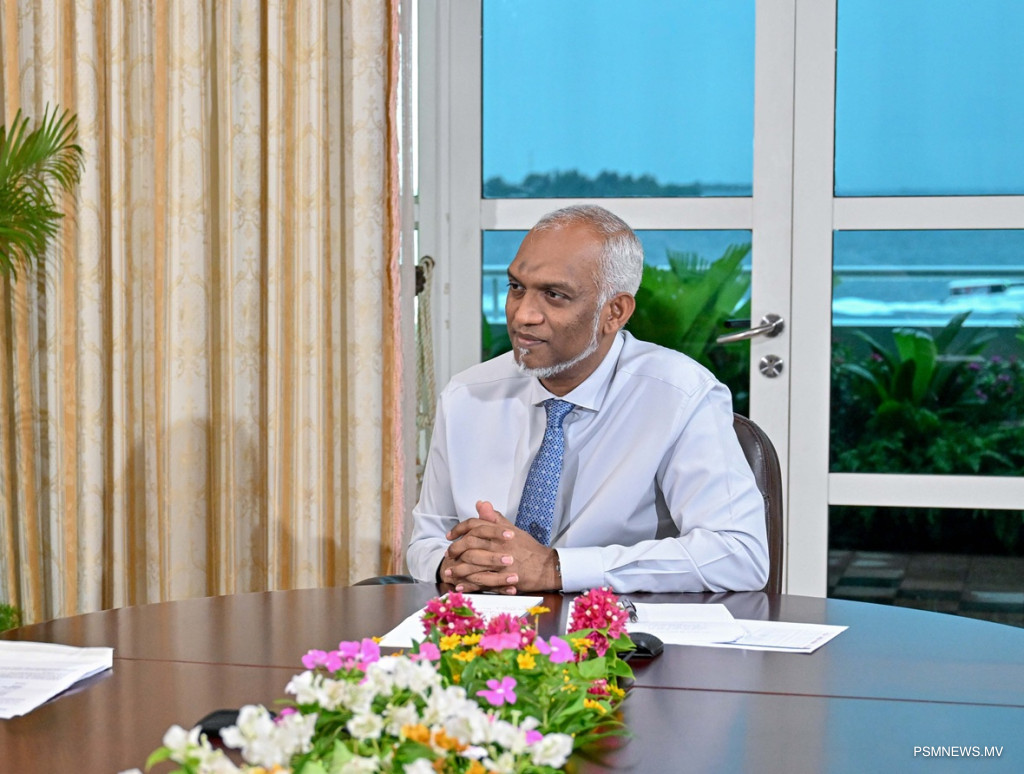
Ensuring national food security is essential to building a resilient island economy and safeguarding future generations, President Dr Mohamed Muizzu asserted on World Food Day, as First Lady Sajidha Mohamed urged communities across the country to manage food systems sustainably and curb food waste.
Building innovative and resilient food networks is critical to guaranteeing safe, nutritious, and affordable sustenance for the public, President Muizzu outlined in a social media dispatch marking the occasion. The decisions and financial investments made today will directly determine the prospects of future generations, he noted, referencing the annual global theme. "By investing in innovation, expanding domestic food production and sustainably managing our natural resources, we can strengthen food security and secure a healthier, more sustainable future for our people," the president wrote, maintaining that such measures are requisite for establishing a sustainable national future.
Securing robust provisions remains a fundamental prerequisite for the economic stability of the island nation, President Muizzu explained. Achieving this objective demands the adoption of modern technologies, direct assistance to local agrarian and maritime workers, and the preservation of ecosystems that sustain rural populations, he argued. State interventions in the fisheries sector now include guaranteeing payments for catch within 48 hours and constructing additional processing and storage facilities. Public-private partnerships are advancing agricultural development projects across multiple islands, encouraging local councils to utilise land effectively to increase crop productivity, improve access to fresh fruit, and expand commercial opportunities for domestic growers.
Fortifying internal supply chains is driven by expanded market access for domestic producers and augmented agricultural investment. Deploying innovative practices alongside operational expertise is designed to boost yields, reduce reliance on foreign imports, and build resilient distribution networks, the president detailed. He framed national food security as a shared social obligation requiring collective commitment across all sectors, calling on stakeholders to empower agricultural families while ensuring affordable access to nutritious diets for every Maldivian household.
The issue of food security encompasses far more than agricultural production, demanding guaranteed access to nutritious diets for every family, First Lady Sajidha Mohamed highlighted in a concurrent public statement. Individual citizens must take responsibility for their dietary choices by practising sustainable management and adopting routines that eliminate waste, she argued.
Small, everyday habits cultivated within households can drive meaningful nationwide progress, the first lady observed. She urged the public to support Maldivian-made products, prioritise health-conscious eating, and minimise food waste in daily life. Modern technology can accelerate structural progress, she cautioned, but practising responsible consumption remains a vital independent duty essential for ensuring lasting sustenance.