

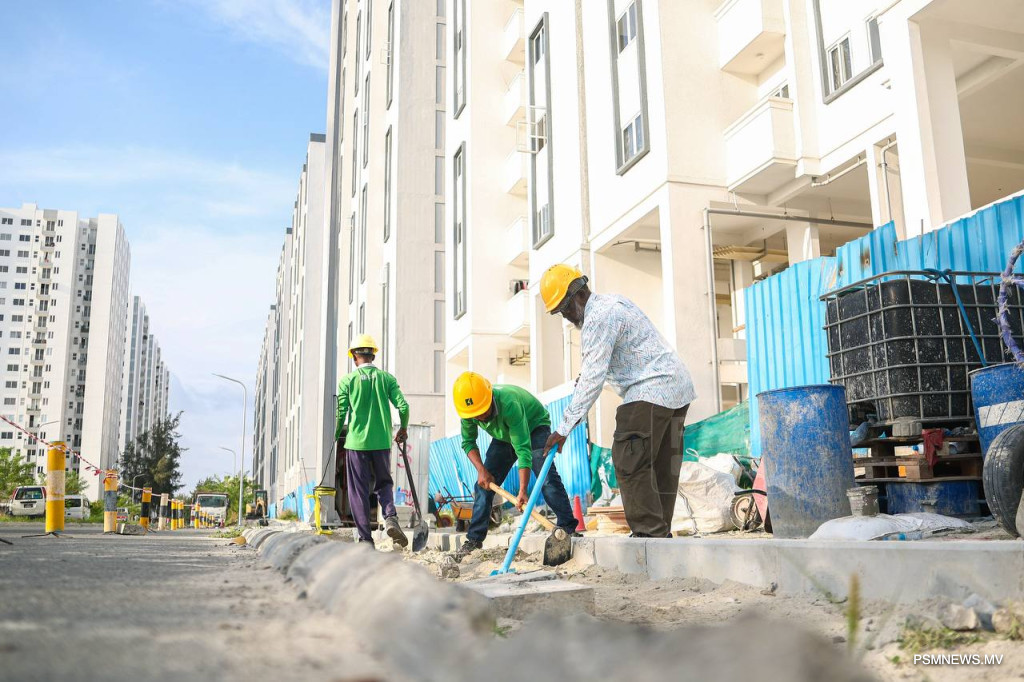
As countries around the world mark International Workers' Day, the Maldives has renewed its focus on protecting workers’ rights and promoting inclusivity in the workplace, recognising the workforce as the foundation of national development.
Workers’ contributions continue to drive economic growth and social progress, with every individual holding the fundamental right to earn a dignified living. The day also serves as a reminder of the long struggle for fair labour standards that are now widely observed.
The origins of May Day trace back to the 1880s in the United States, where workers mobilised to demand an end to grueling 12 to 16-hour workdays, advocating for the now-standard eight-hour day. This era, marked by a lack of basic protections and the prevalence of exploitative practices like child labour, culminated in the pivotal Haymarket Affair in Chicago. The protests and subsequent tragedy galvanised a global movement, leading the International Workers’ Congress in 1889 to formally establish 1 May as International Workers’ Day in honour of those who fought for fundamental rights.
In the Maldives, the journey to officially recognise this legacy has been more recent. While observed at various levels for years, it was not until 2006 that the nation began official celebrations, with May Day finally declared a public holiday in 2011. This year’s commemorations are notable for the government’s proactive initiative in leading the celebrations, coordinating with various workers’ associations to host unified rallies, marches, and activities focused on asserting workers' rights.
Authorities say current efforts are focused on strengthening employability and expanding opportunities for all citizens. This includes targeted programmes to support persons with disabilities, senior citizens and unemployed individuals through skills development and job placement initiatives.
Alongside policy measures, emphasis has also been placed on raising awareness among workers about their rights, including fair wages, safe working conditions and dignity in the workplace.
Officials described the ongoing initiatives as part of a broader effort to build a more inclusive labour environment, noting that collaboration between the government and workers’ groups will be key to advancing the welfare of employees across the country.